§ 01What they were
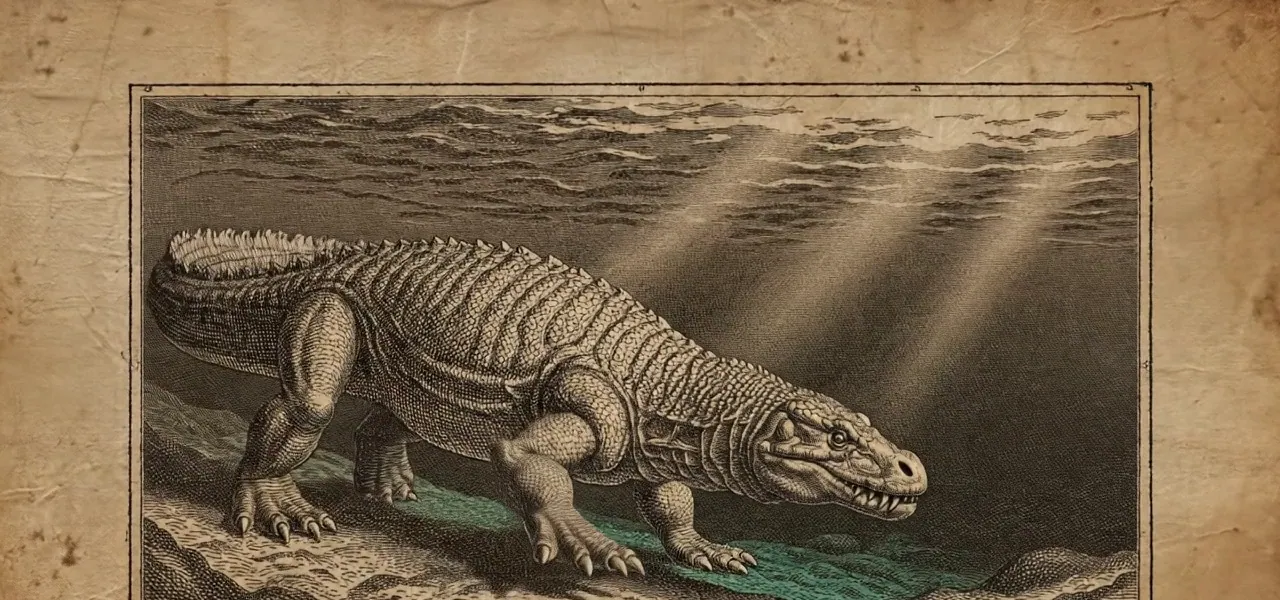
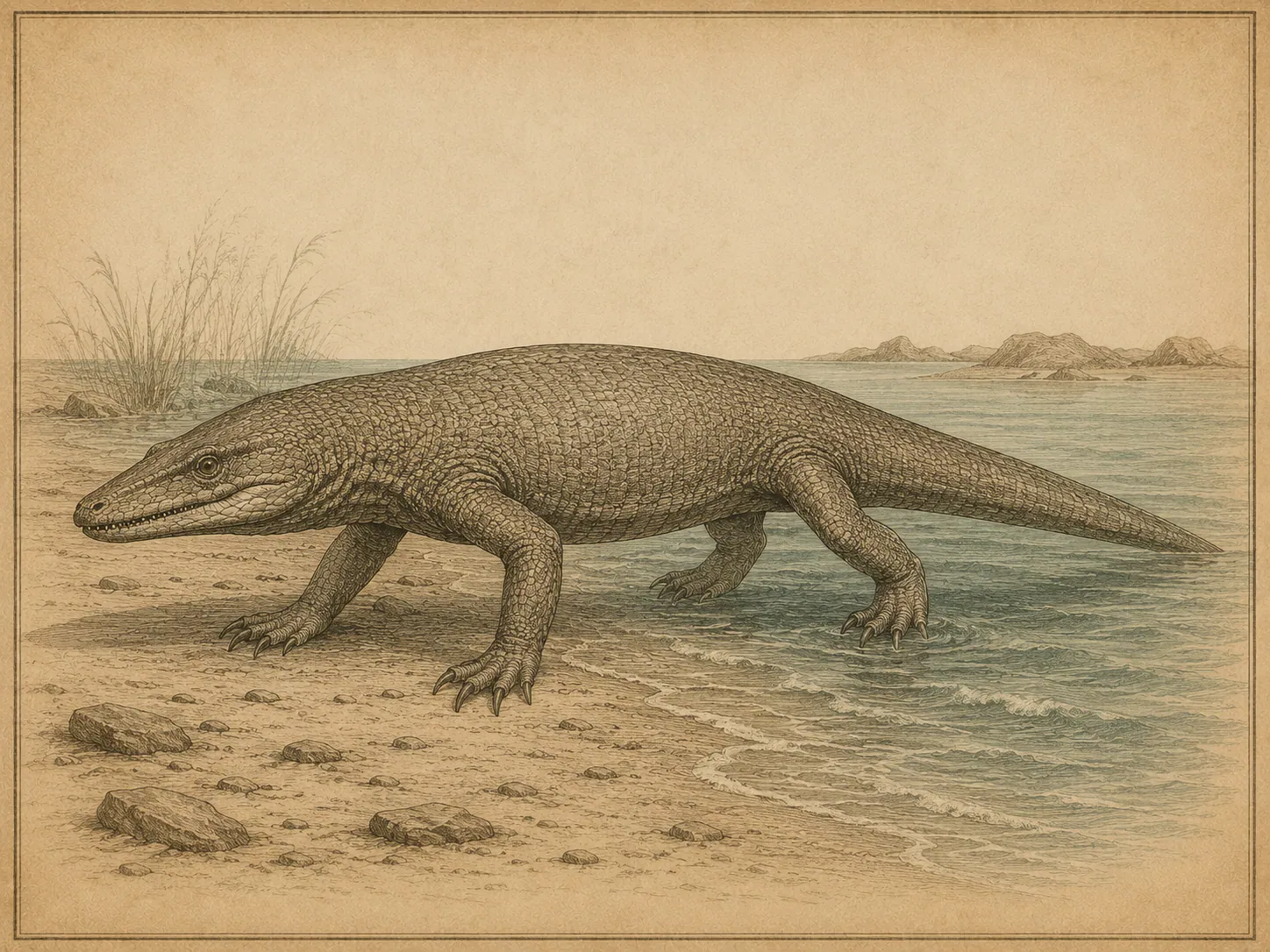
Mosasaurs were not dinosaurs, and they were not the long-necked plesiosaurs they often share a museum hall with. They were lizards — squamates — on the same branch of the tree of life as today's monitor lizards and snakes. Their ancestors were ordinary shoreline reptiles. Then, around 100 million years ago, they walked into the water and never came back.
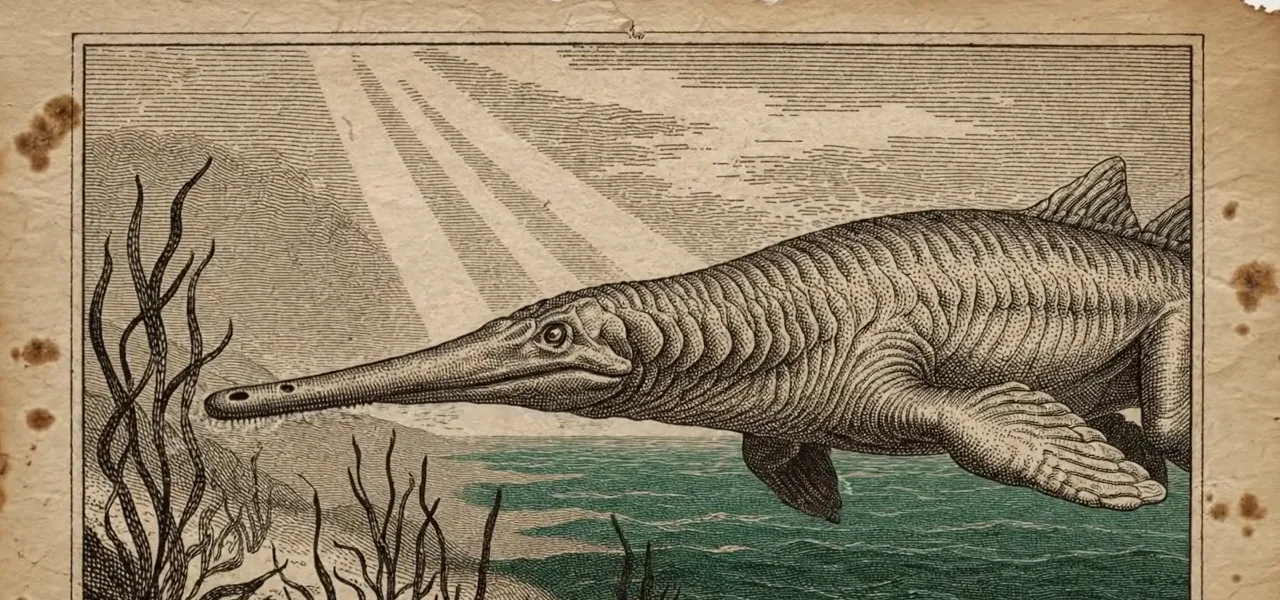
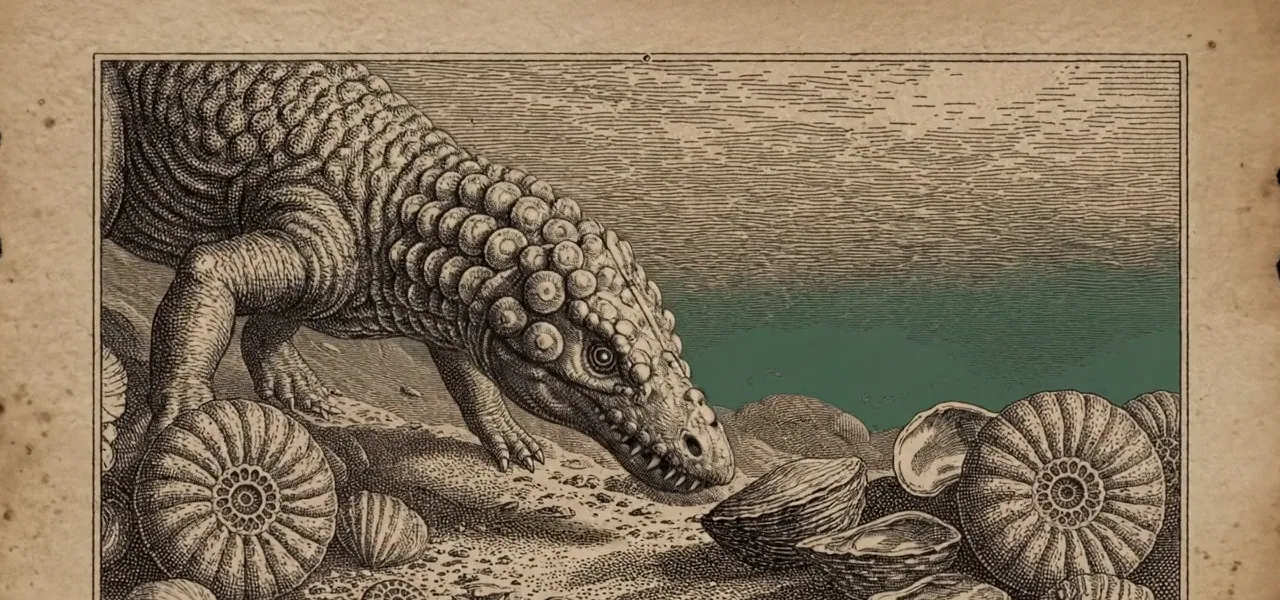
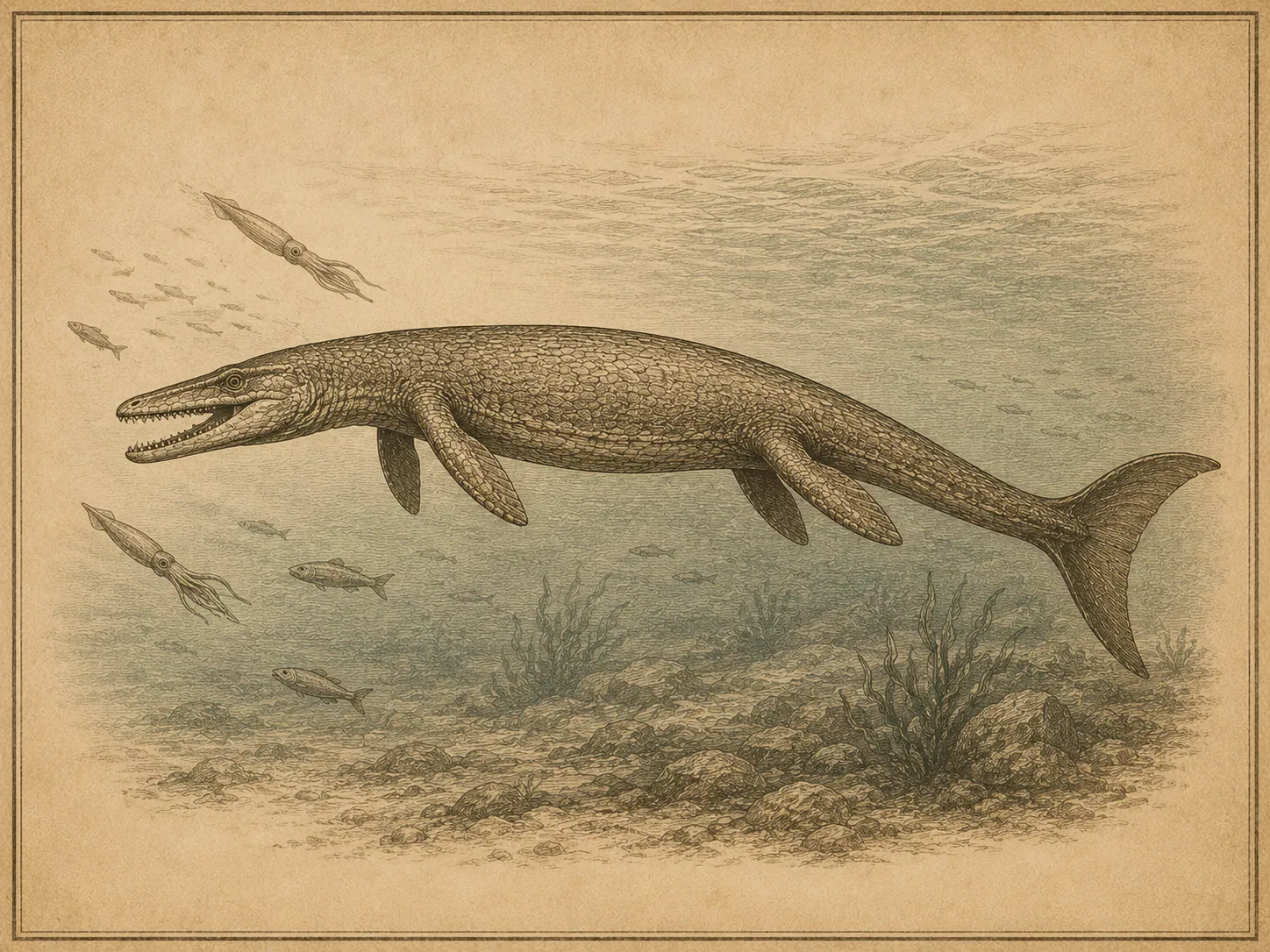
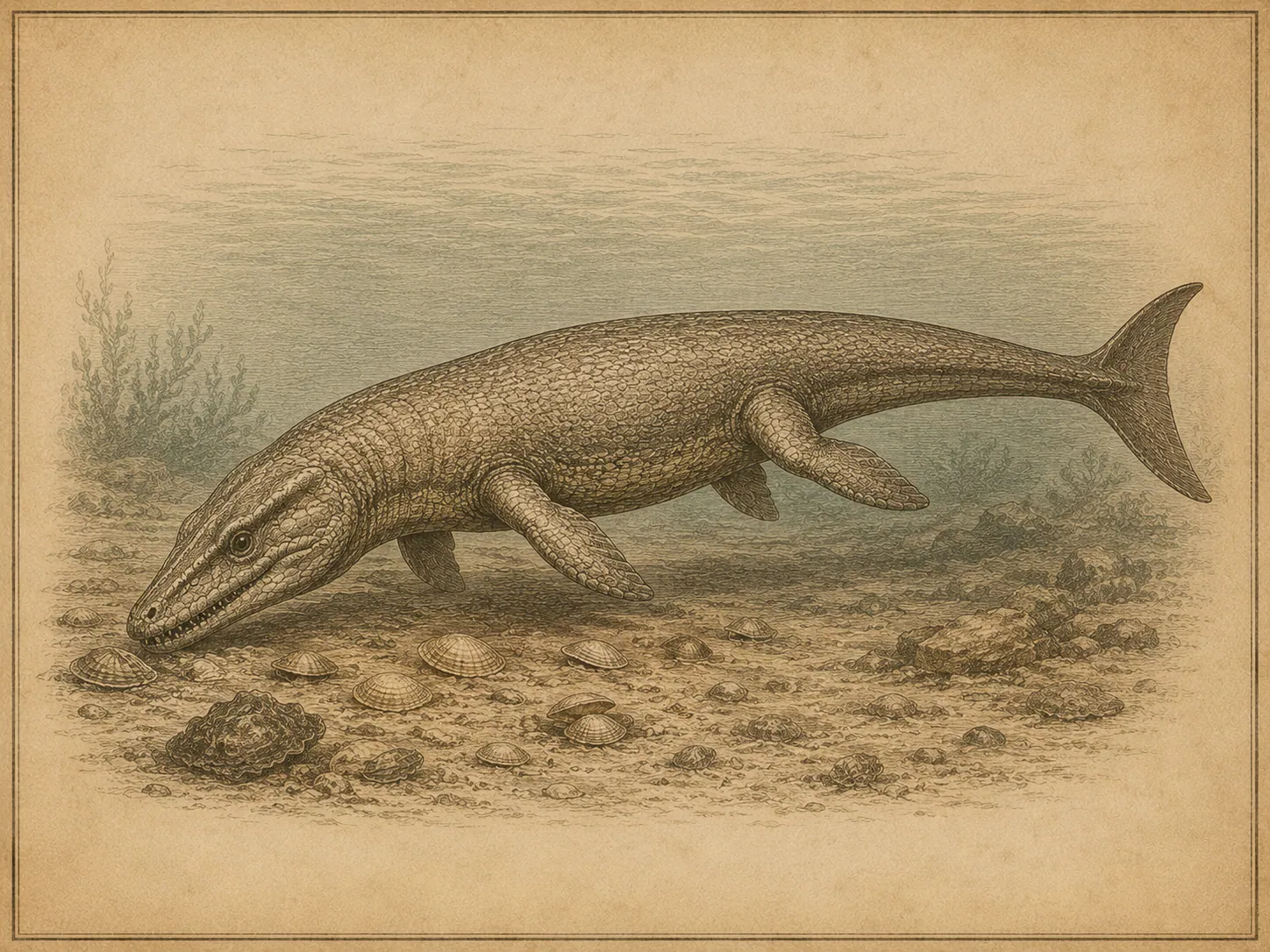
What followed is one of the fastest, most complete takeovers in the fossil record. In the space of perhaps fifteen million years, mosasaurs went from coast-hugging, lizard-legged swimmers to streamlined ocean predators with flippers, a swimming tail, and a global range. By the close of the Cretaceous they sat at the very top of the marine food web, eating fish, squid, ammonites, sea turtles, seabirds — and one another.
A body remade for water
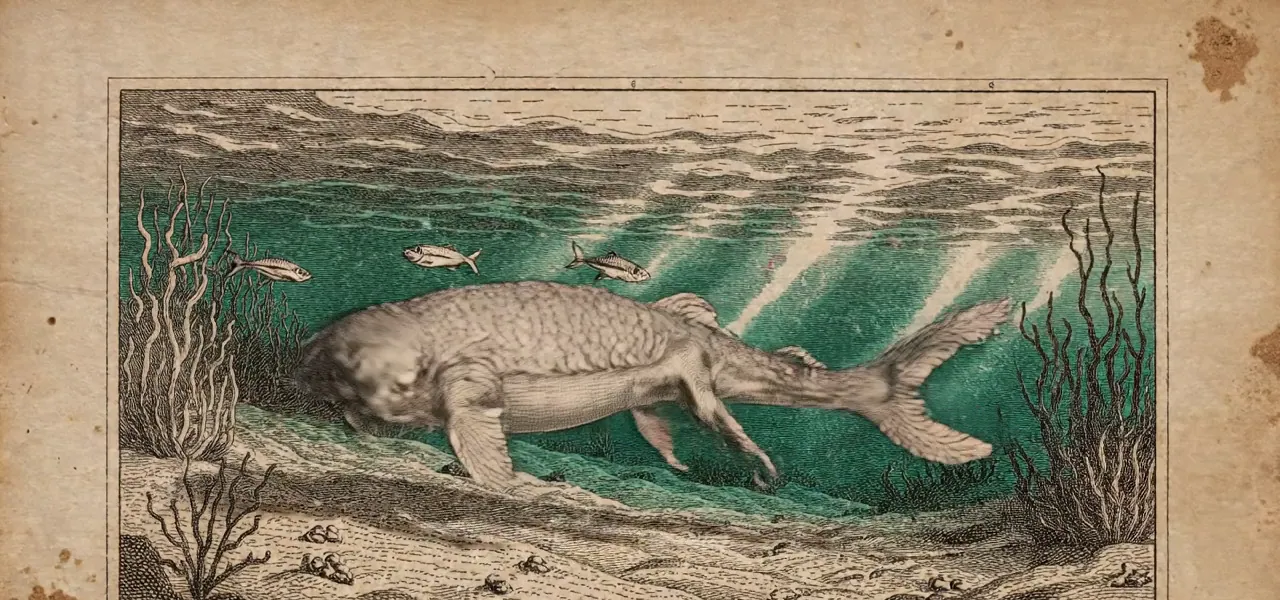
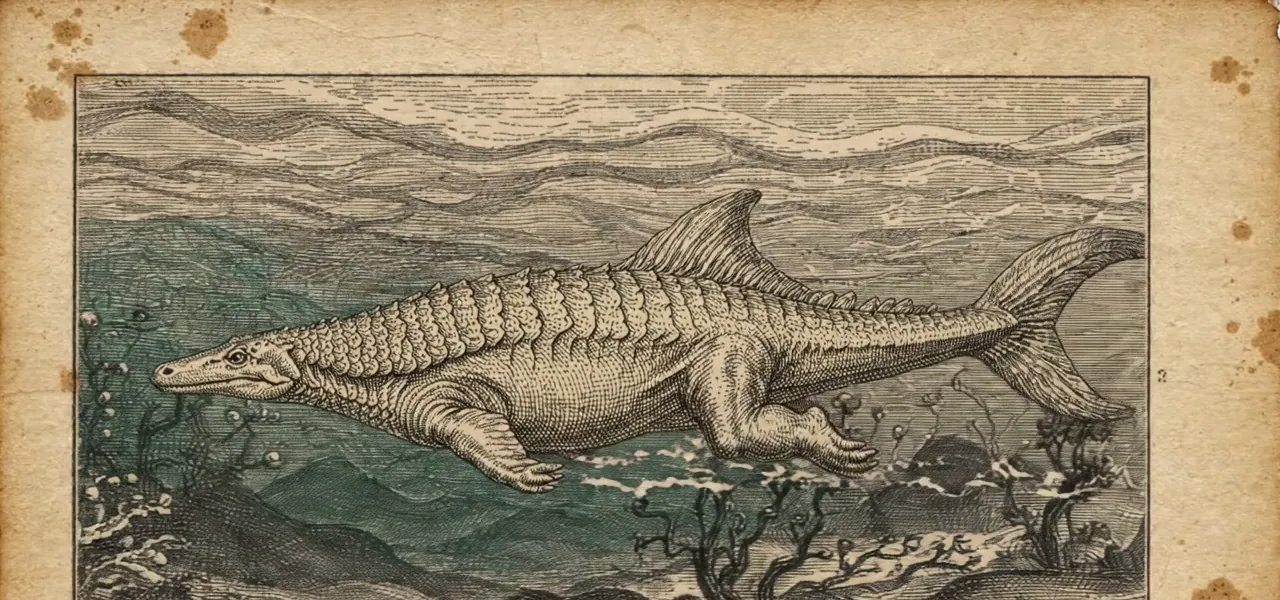
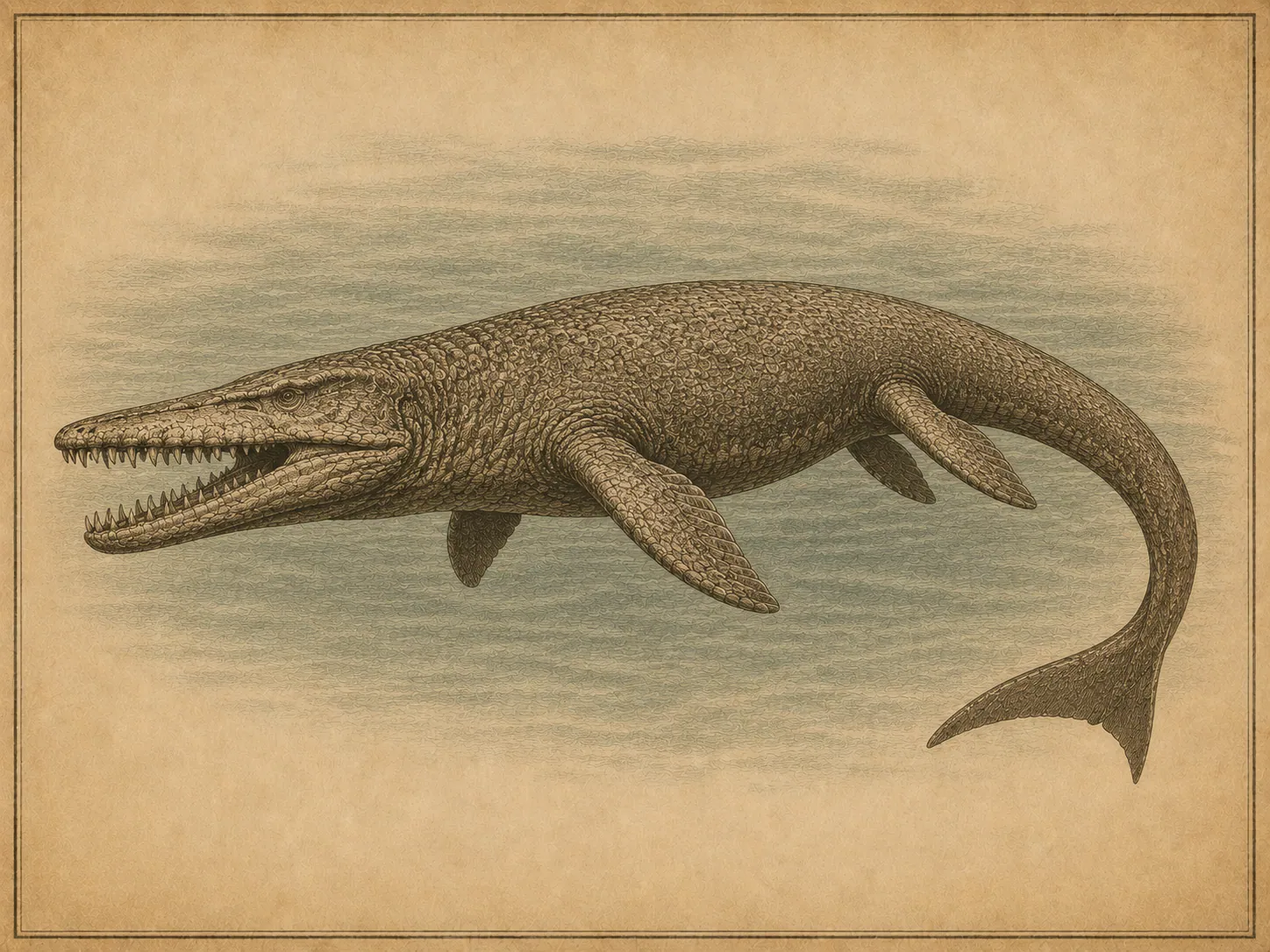
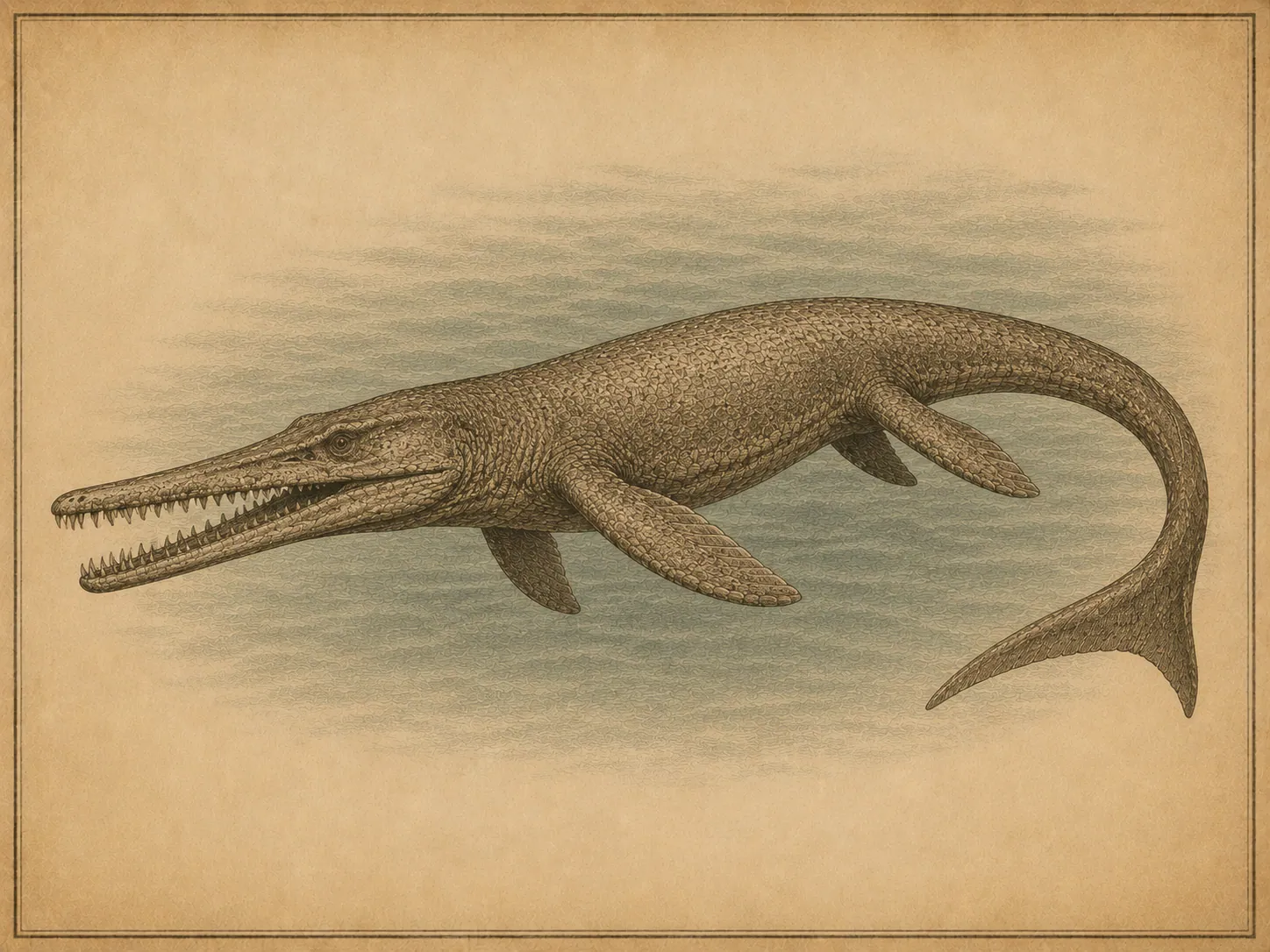
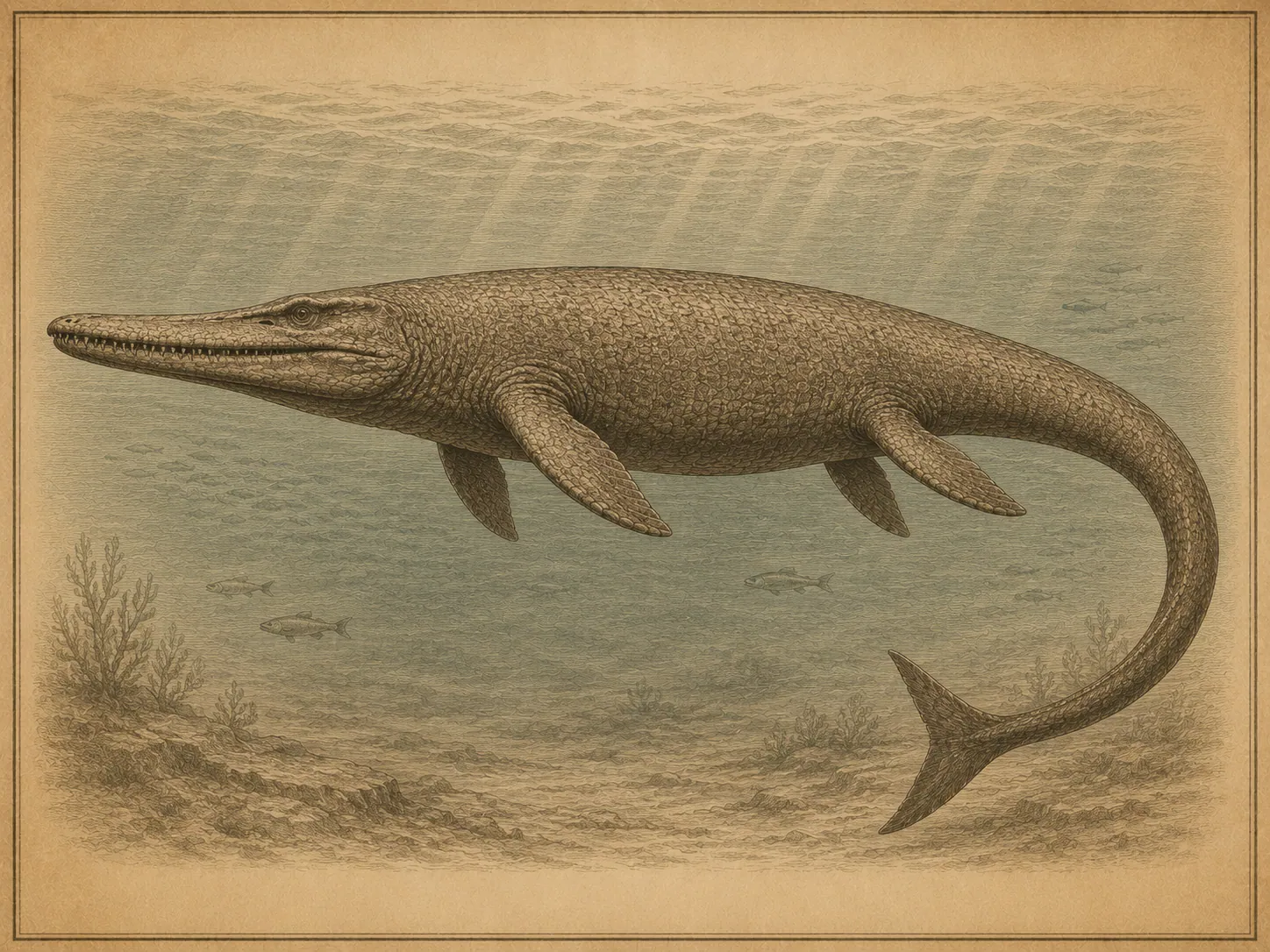
Evolution reshaped them limb by limb. The legs became paddles. The tail deepened and grew a downturned fluke that worked like a shark's, driving the animal forward with side-to-side strokes. The vertebrae locked into a stiff, efficient swimming column. Like their relatives, they almost certainly had forked, smelling tongues and excellent underwater senses.
Crucially, mosasaurs gave live birth — fossil mothers have been found with embryos inside them. They never hauled out onto a beach to lay eggs. They were born in open water, tail-first, and they died there too.
The second set of jaws
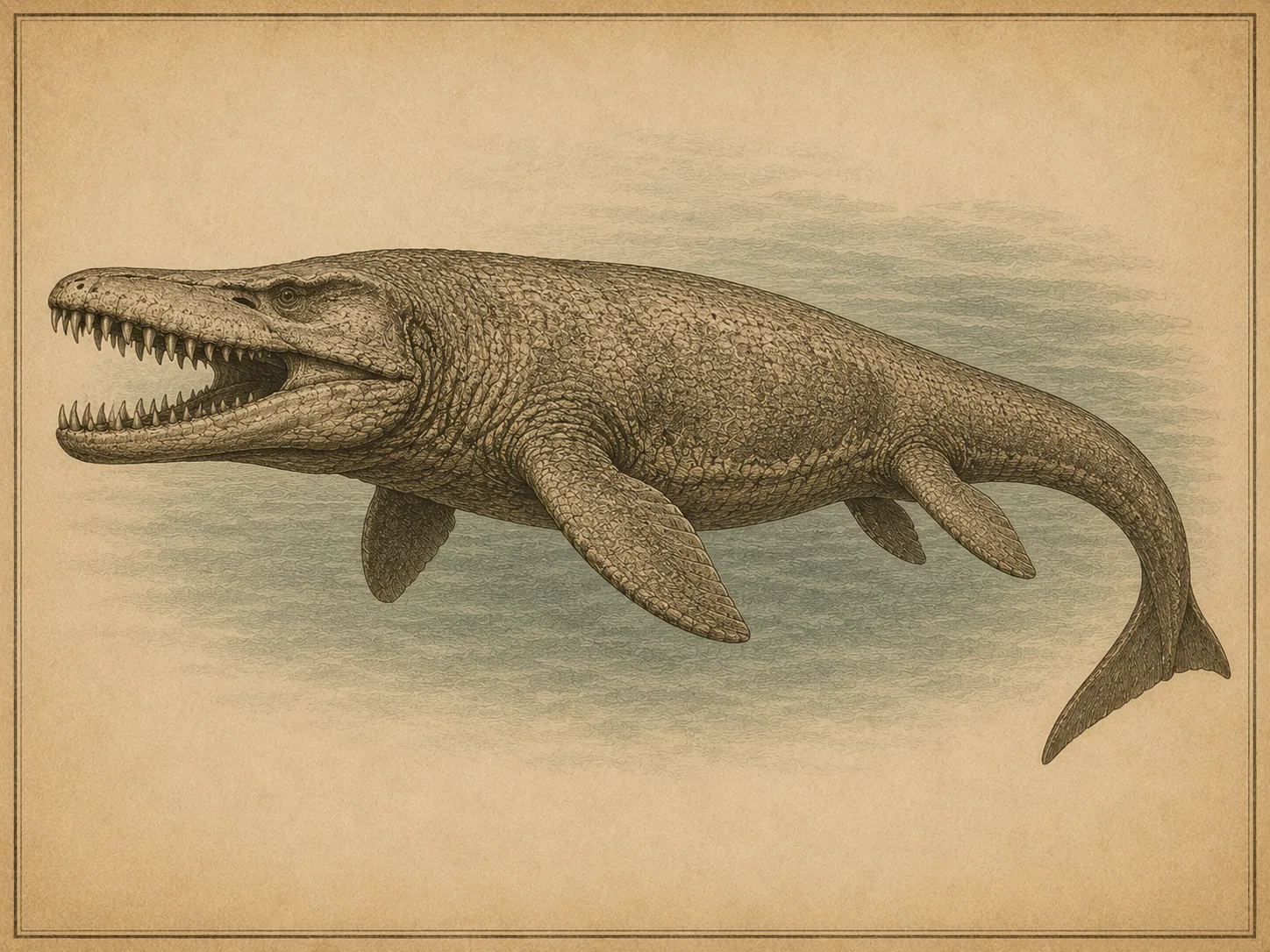
Look inside a mosasaur's mouth and you find a feature borrowed from snakes: a second row of teeth on the pterygoid bones in the roof of the mouth. Combined with a lower jaw hinged in the middle, this let large mosasaurs ratchet struggling prey backwards down the throat — and swallow animals startlingly large.
From minnows to monsters
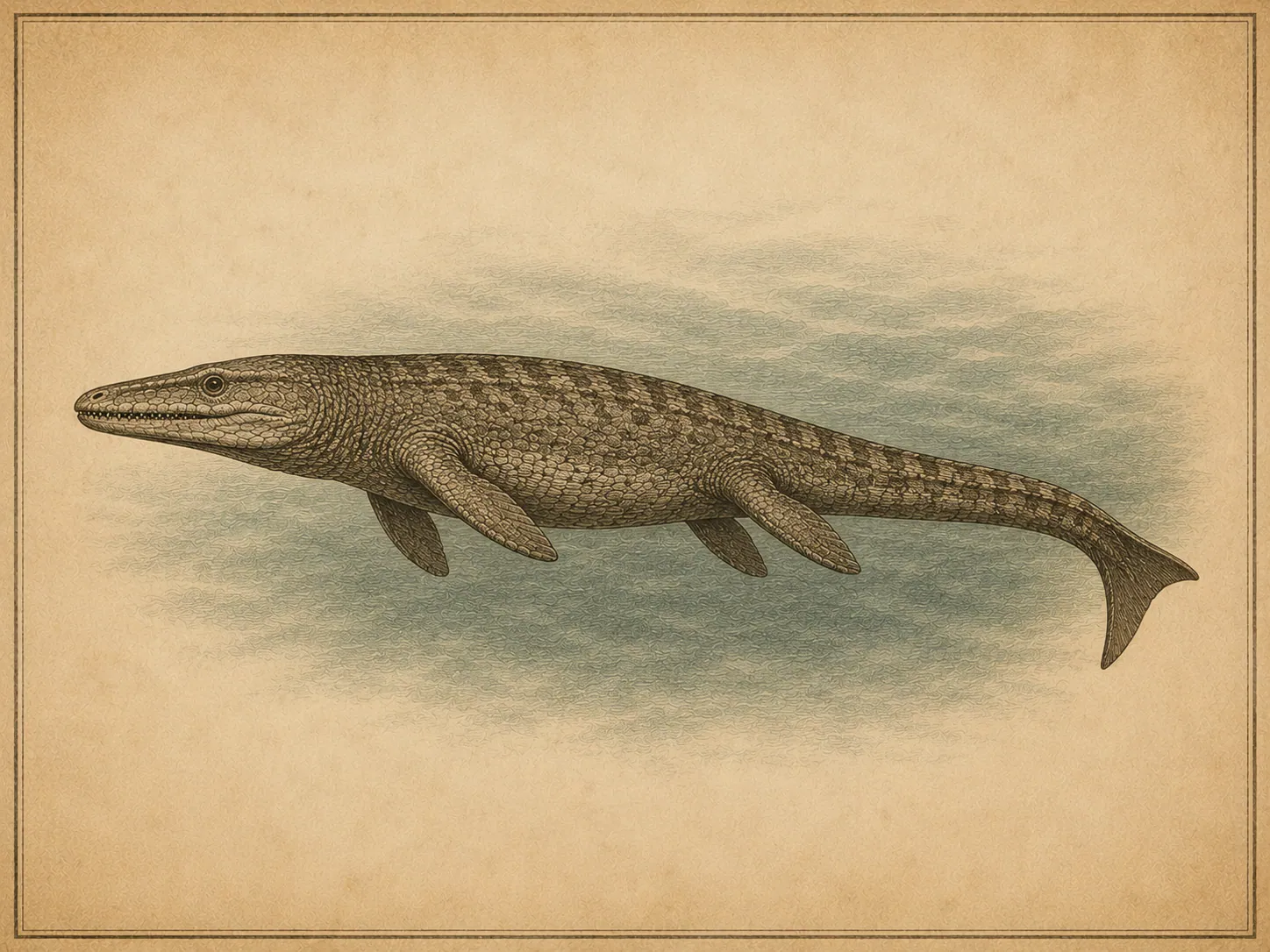
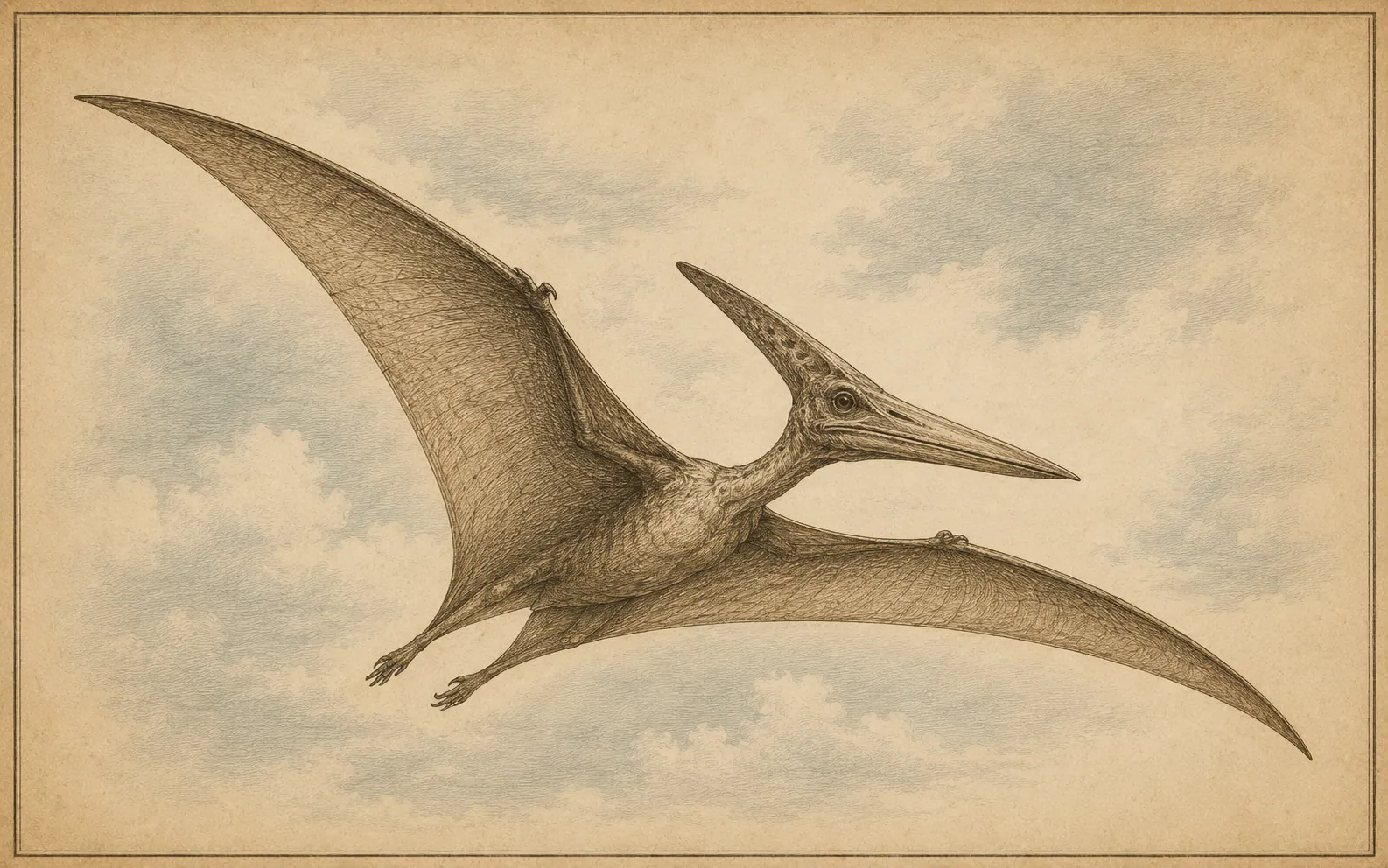
Like the pterosaurs, the group ran an enormous size range. The earliest and smallest were barely a metre long. The largest — Mosasaurus and Tylosaurus — reached the length of a city bus and ruled their seas without rival, right up until the asteroid fell.
 Pl. III · Mosasauridae